Diagenode

D-Plex cell-free RNA-seq Kit

目录号
格式
价格
C05030040
24 rxns
$1,545.00

Full-spectrum extracellular RNA profiling for non-invasive biomarker discovery

Cell-free RNA (cfRNA) in biofluids is an exceptionally dynamic and information-rich analyte for non-invasive diagnostics.

From a simple liquid biopsy, cfRNA reflects real-time tissue status, disease activity, and systemic responses, making it a powerful foundation for next-generation biomarkers.

The D-Plex Cell-Free RNA-Seq Kit is purpose-built to address the challenges of cfRNA sequencing from biofluids. Optimized for low-input, fragmented RNA (including mRNA and lncRNA’s), it delivers comprehensive extracellular RNA coverage with the sensitivity and precision required for robust biomarker discovery.

D-Plex technology utilizes two innovative ligation-free mechanisms - poly(A) tailing and template switching - to generate sequencing libraries from ultra-low input amounts without ligation bias and with exceptionally high diversity. Combined with unique molecular identifiers (UMI), this complete solution provides a realistic and accurate representation of diverse small and fragmented RNA species with minimized quantitative bias. The use of unique dual indexes (UDI) mitigates index hopping and enables confident multiplexing.

Advantages of the D-Plex cell-free RNA-seq technology

  • Discovery-grade breadth:Profiles miRNA, tRNA/tRFs, snoRNA, snRNA, Y RNA, vtRNA, and fragmented mRNA/lncRNA in a single run—critical, as top predictors can be rRNA /tRNA-derived [1].
  • High sensitivity from scarce input:Validated from 200 – 1200 pg cfRNA or 0.2 – 0.5 mL plasma, with clean NTCs and stranded libraries.
  • Reproducibility you can trust:Robust across operators and plasma processing, supporting case–control and longitudinal studies.
  • Engineered to minimize pitfalls:Chemistry tuned to reduce library artifacts and terminal bias skew, addressing known issues in small RNA NGS.

The D-Plex cell-free RNA-seq Kit includes all buffers and enzymes necessary for library preparation. Specific D-Plex cell-free RNA-seq Indexes were designed and validated to fit the D-Plex technology and are available separately.

  • C05030045 D-Plex UDI for cell-free RNA-seq - Set A
  • C05030046 D-Plex UDI for cell-free RNA-seq - Set B

[1] Sikosek T, et al. Early detection of lung cancer using small RNAs. J Thorac Oncol. 2023;18(11):1504-1523. doi: 10.1016/j.jtho.2023.07.005

Read more about our case study

  • D-Plex cell-free RNA-seq workflow

    D-Plex cell-free RNA-seq workflow

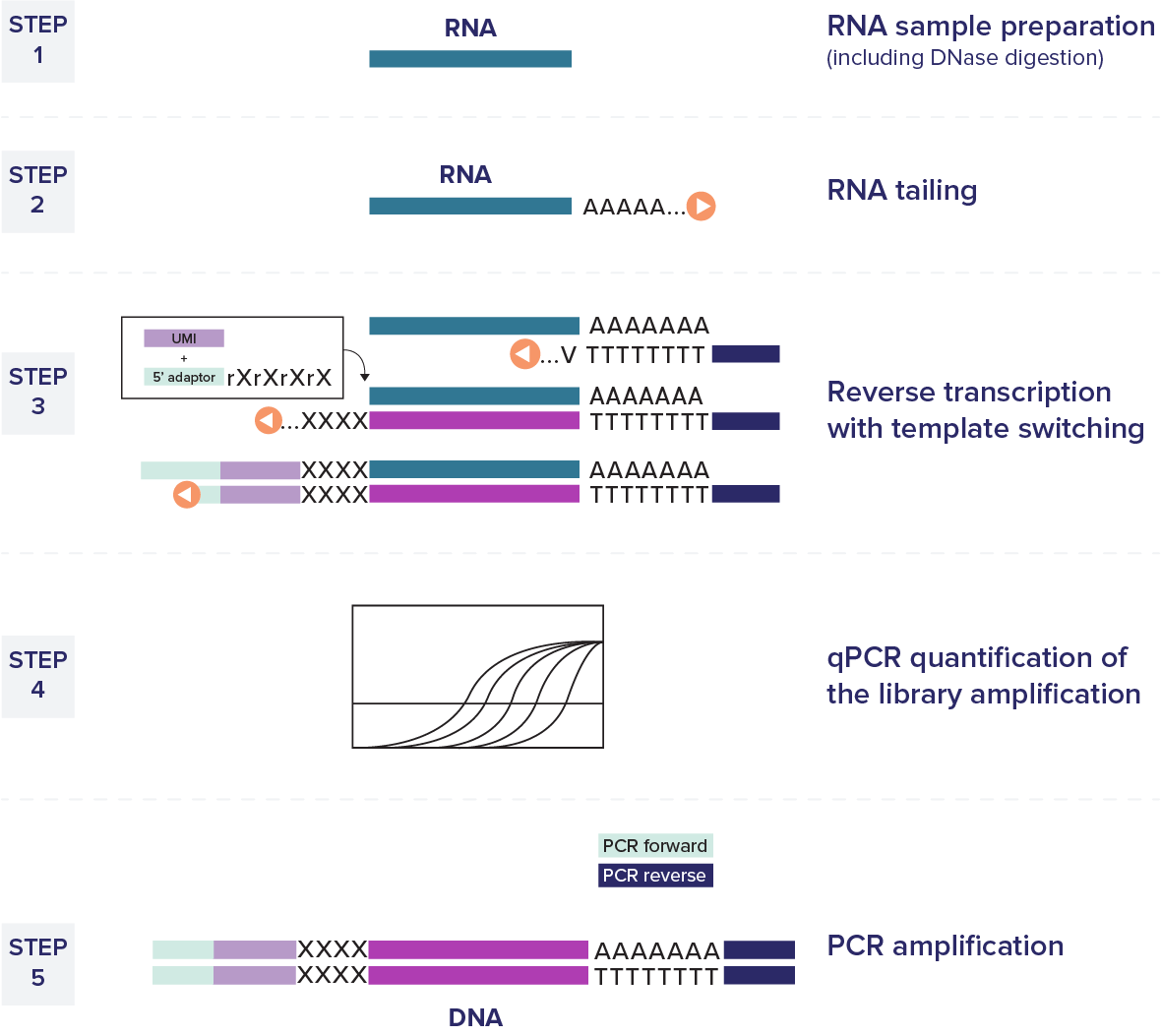
    Step 1: Purified cell-free RNA (cfRNA) is first treated with DNase I to remove residual DNA.

    Step 2: A 20 nt poly(A) tail is then added to the 3′ end of each RNA molecule, and an oligo(dT) primer carrying part of the Illumina P7 adapter is annealed.

    Step 3: Reverse transcription generates first-strand cDNA. Once the RTase reaches the end of the RNA template, its terminal deoxynucleotidyl transferase (TdT) activity adds a series of non-templated nucleotides guided by the presence of a complementary template switch oligo (TSO). The RTase switches templates (template switch effect) and synthesizes the complementary strand of the TSO incorporated into the library. The TSO has been designed to bear a 12 nt unique molecular identifier (UMI) and part of the Illumina P5 adapter.

    Step 4: An aliquot of this cDNA is then used in qPCR to determine the optimal number of PCR cycles required to achieve sufficient library yield.

    Step 5: The full library is subsequently amplified with this cycle number, purified, quality-controlled, and prepared for sequencing.

  • D-Plex cell-free RNA-seq performance

    The D-Plex cell-free RNA-seq technology effectively captures a broad spectrum of circulating RNAs in biofluid samples.
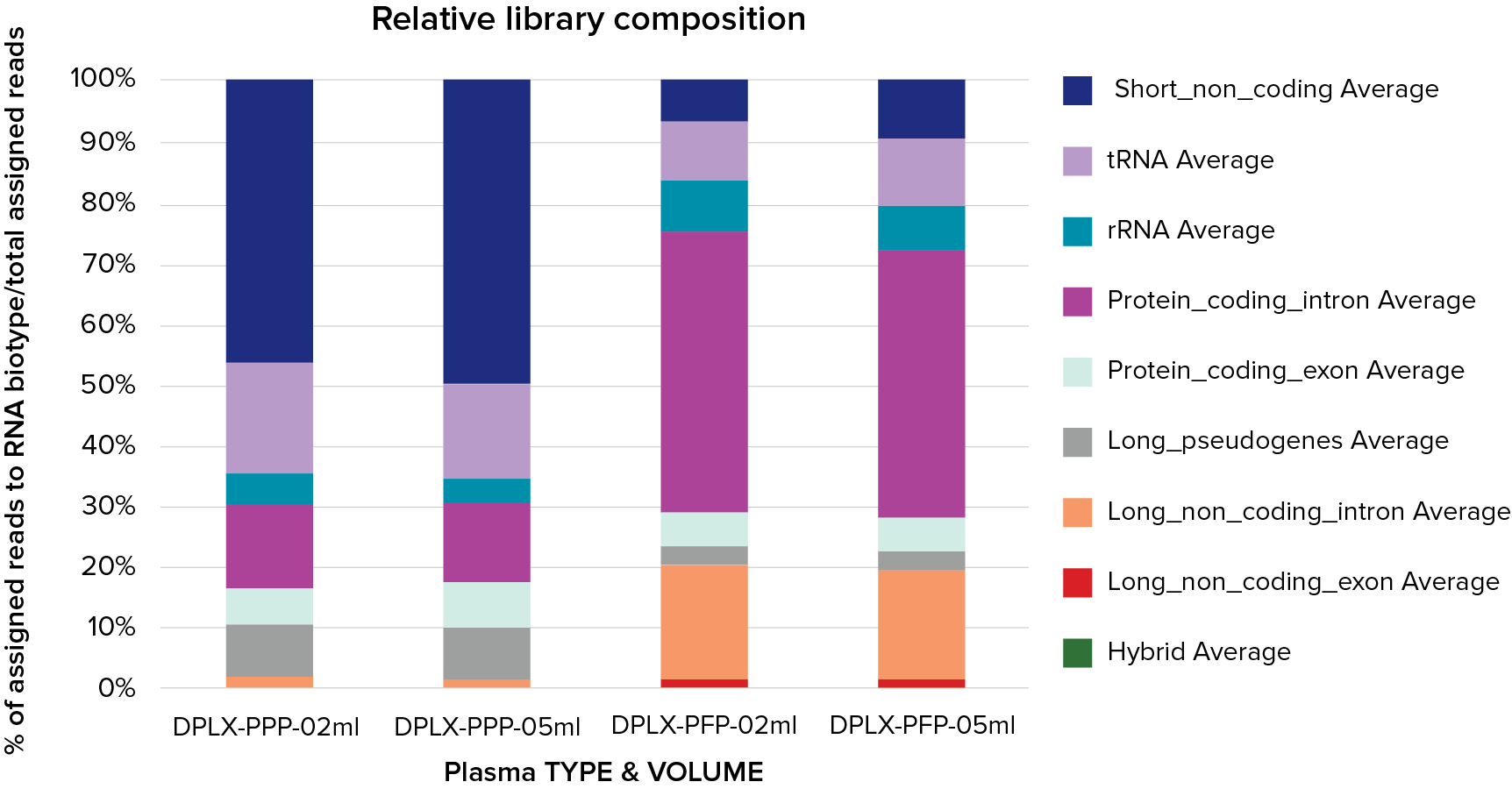
    Figure 1. Typical composition of D-Plex cell-free RNA-seq libraries generated from cfRNA purified from 0.5 mL and 0.2 mL of platelet-poor plasma (PPP) and platelet-free plasma (PFP). Each condition was prepared in technical triplicates (n=3). Library composition is strongly influenced by plasma type (PPP vs PFP) and only minimally affected by the starting plasma volume, indicating that D-Plex cfRNA-seq libraries directly reflect the original cfRNA content of the sample. PPP and PFP were derived from the same pool of healthy donor blood, underscoring the critical impact of pre-analytical factors - particularly plasma preparation - on downstream data content and quality.
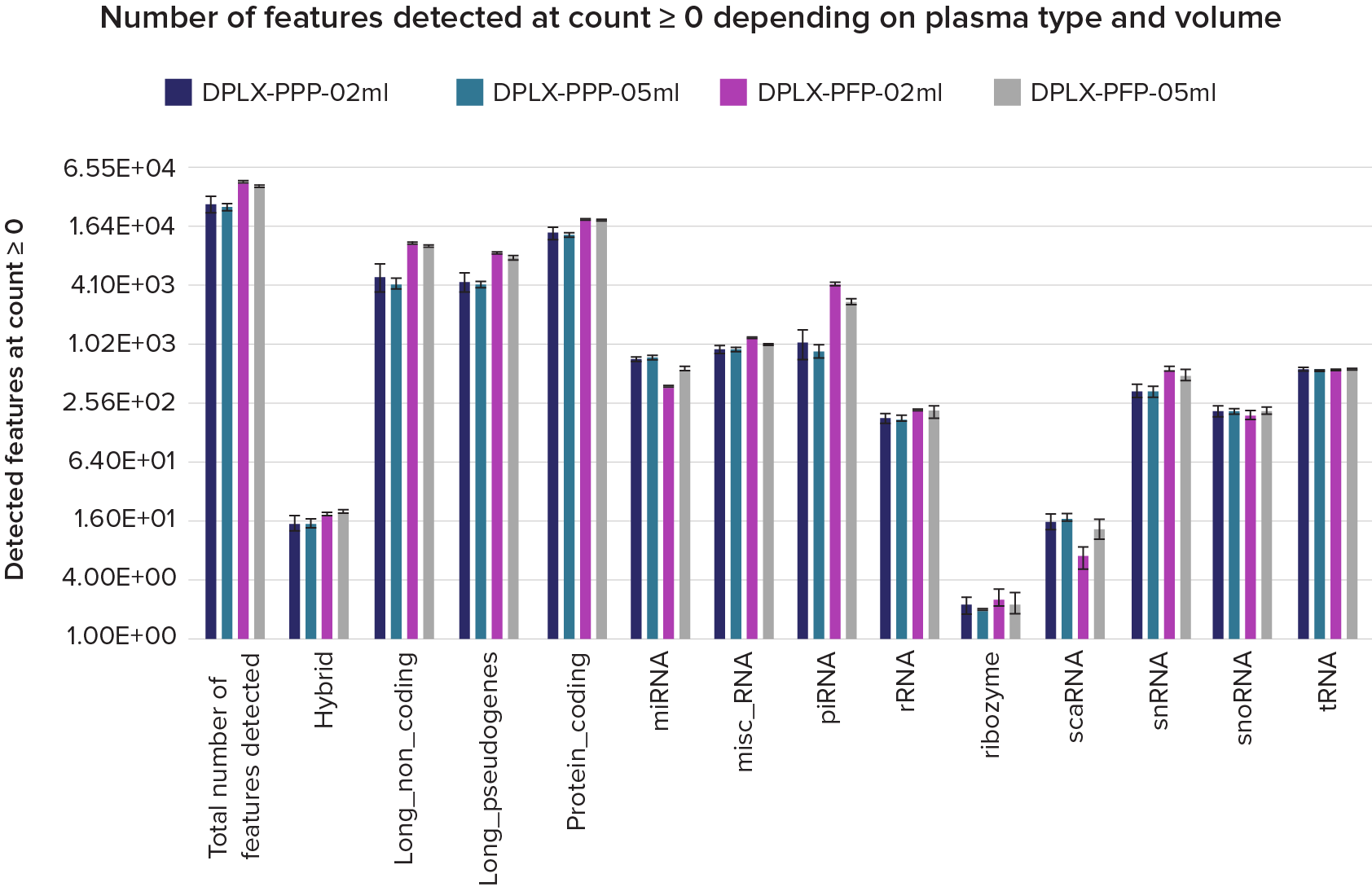
     

    Figure 2. Detection of features with counts greater than 0 in D-Plex cell-free RNA libraries prepared from 0.5 mL and 0.2 mL of platelet-poor plasma (PPP) and platelet-free plasma (PFP). A typical D-Plex dataset provides broad coverage of the extracellular transcriptome, including protein-coding genes, long noncoding RNAs, and small noncoding RNAs such as miRNAs, snRNAs, and snoRNAs. This comprehensive feature representation makes D-Plex well suited for discovery-grade biomarker screening in translational clinical research.

    D-Plex cell-free RNA-seq accurately reflects the fragmentation pattern of circulating plasma transcripts.
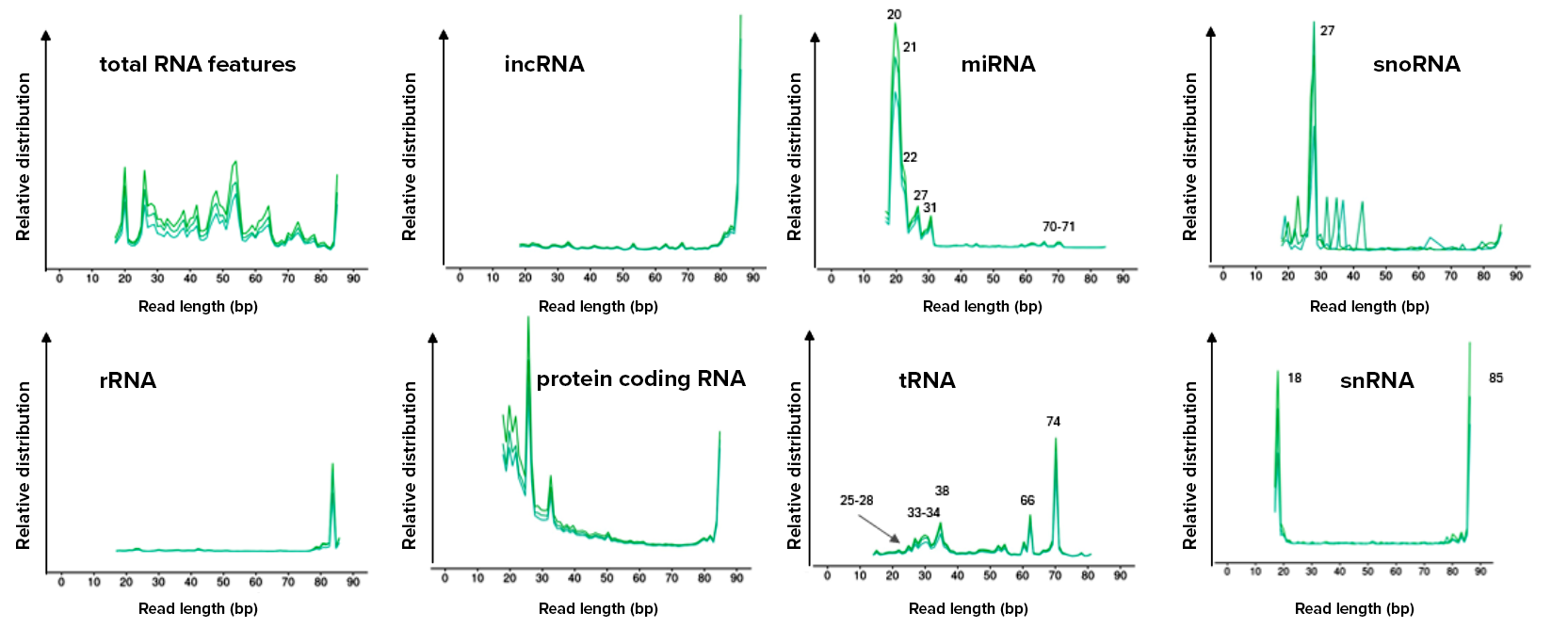
    Figure 3. Fragmentation profiles of multiple RNA biotypes captured by D-Plex cell-free RNA-seq in platelet-poor plasma (PPP). D-Plex libraries recapitulate the native fragmentation patterns of cfRNA present in the original sample, enabling downstream analyses such as fragmentomics. In particular, tRNA molecules circulate predominantly as processed tRNA-derived fragments (tRFs), whose sizes align with the fragmentation profiles observed in the D-Plex data. Features longer than the maximum read length (85 bp after trimming) could not be fully measured.

    D-Plex cell-free RNA-seq is a highly sensitive method that delivers consistent results across typical quantities of cell-free RNA.
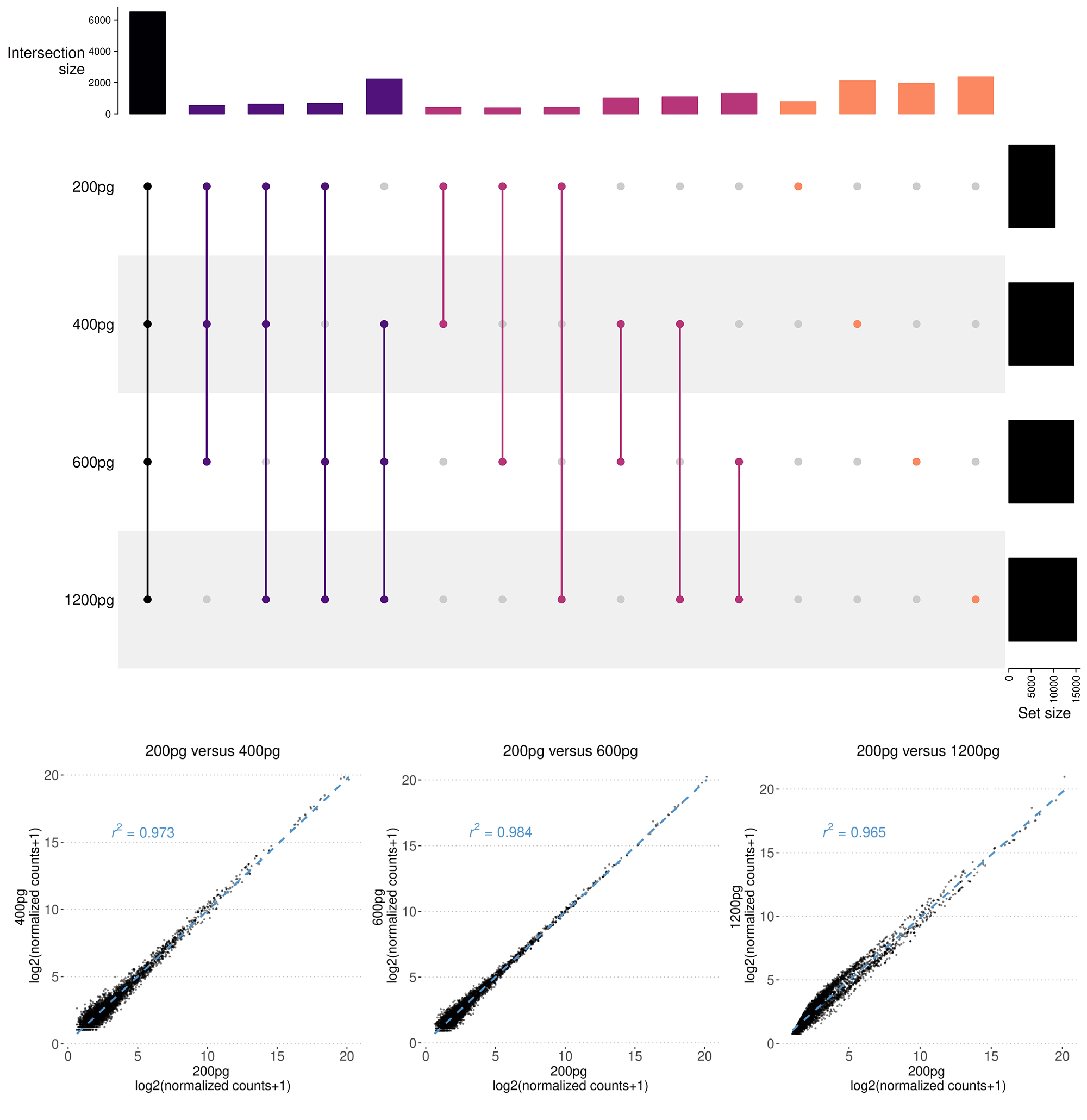
    Figure 4. D-Plex cfRNA-seq consistently delivers reliable results across typical quantities of cell-free RNA used for library preparation, confirming its suitability for studying circulating RNAs in biofluids. Upset plots were created based on features identified in all samples. A feature is deemed detected if its count exceeds zero in technical triplicates for each input amount (200 pg, 400 pg, 600 pg, or 1200 pg). Scatter plots were generated using the log2 of normalized counts of the commonly detected features between the 200 pg input and each of the higher input amounts. Comparable correlation values were observed across all other input amount comparisons (not shown).

    D-Plex cell-free RNA-seq demonstrates high robustness and reproducibility.
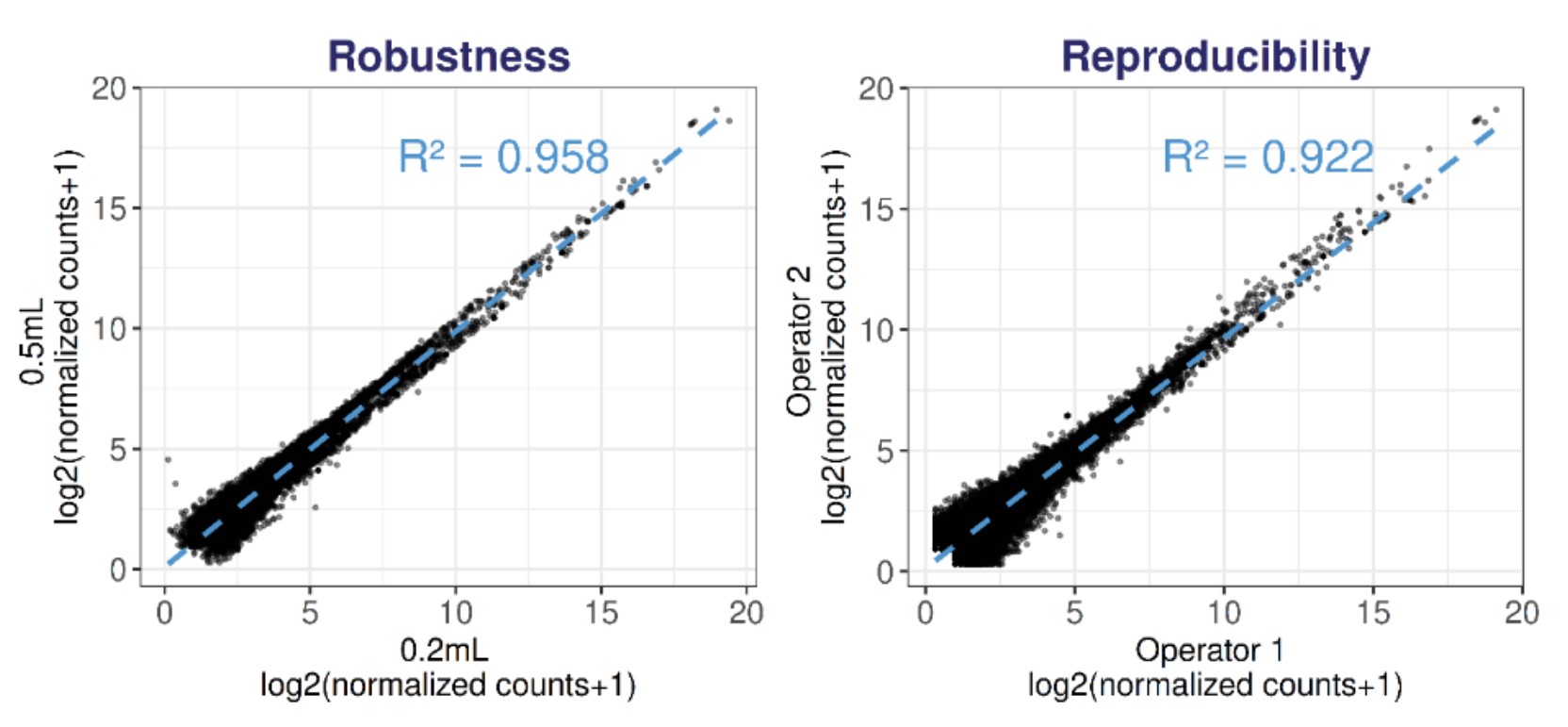
    Figure 5. Robustness and reproducibility of D-Plex cell-free RNA-seq across plasma volumes and operators. (A)  Robustness: Scatter plot comparing normalized counts across different plasma volumes for features commonly detected in all technical triplicates from all three operators for each plasma volume (n=9). (B) Reproducibility: Representative scatter plot comparing normalized counts across two operators at 0.5 mL input for features detected in all technical triplicates from each operator. Average pairwise correlation between operators: 0.922 at 0.5 mL and 0.866 at 0.2 mL.

    D-Plex cfRNA-seq captures a broader spectrum of cell-free RNA in plasma compared to alternative methods.


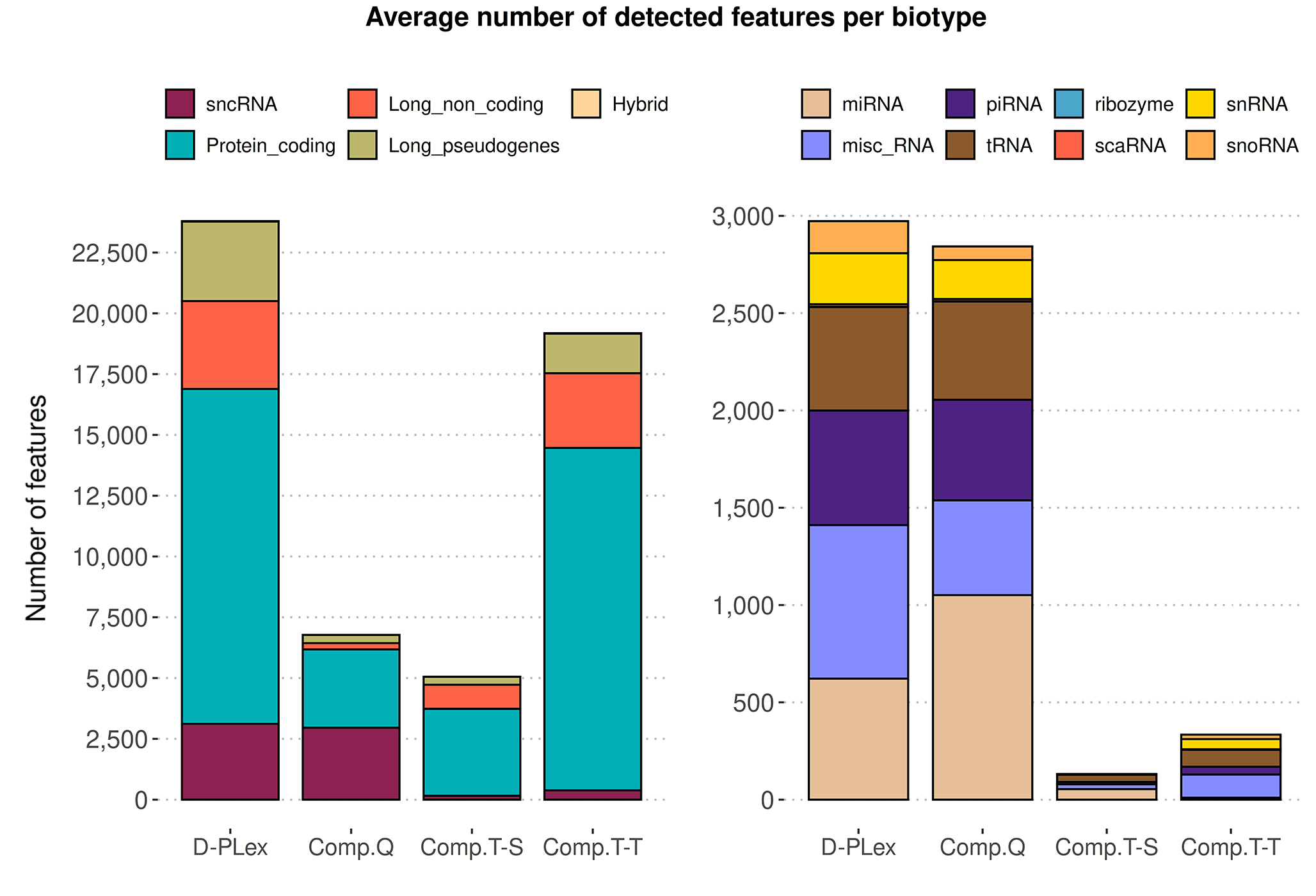
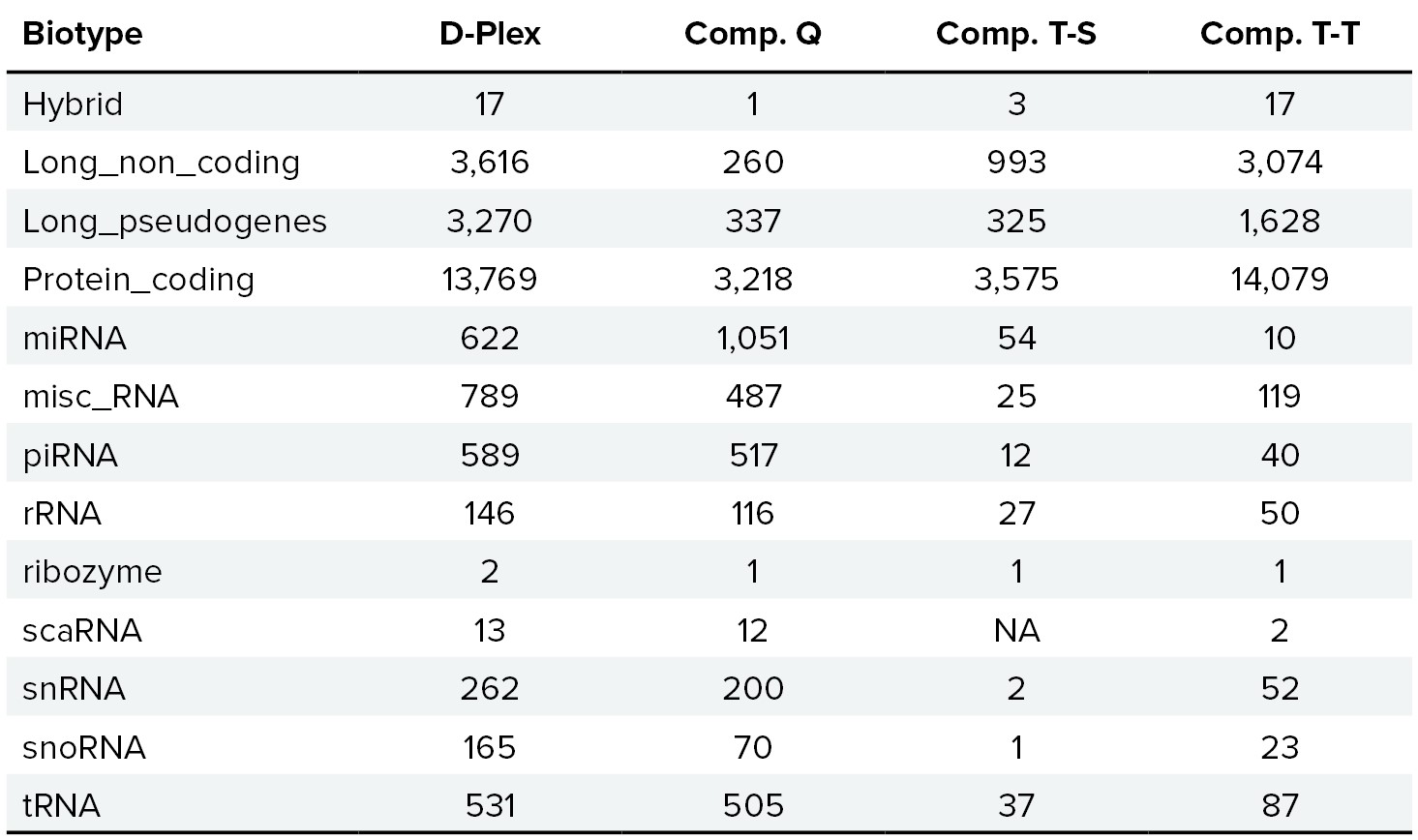
    Figure 6. Unlike other library preparation kits, the D-Plex cfRNA-seq kit captures a broader spectrum of extracellular transcripts in biofluid samples, maximizing the amount of biological information available. This approach results in the highest number of detected features and the greatest biotype diversity, showcasing the powerful discovery capabilities of the D-Plex cfRNA-seq. Average number of features detected from 0.2 mL of plasma, by biotype and technology. A feature is considered detected if it shows a nonzero count across all technical triplicates from three different operators for each technology (n=9).

    D-Plex  cell-free RNA-seq offers superior accuracy in quantifying miRNAs compared to the gold-standard ligation-based kit.
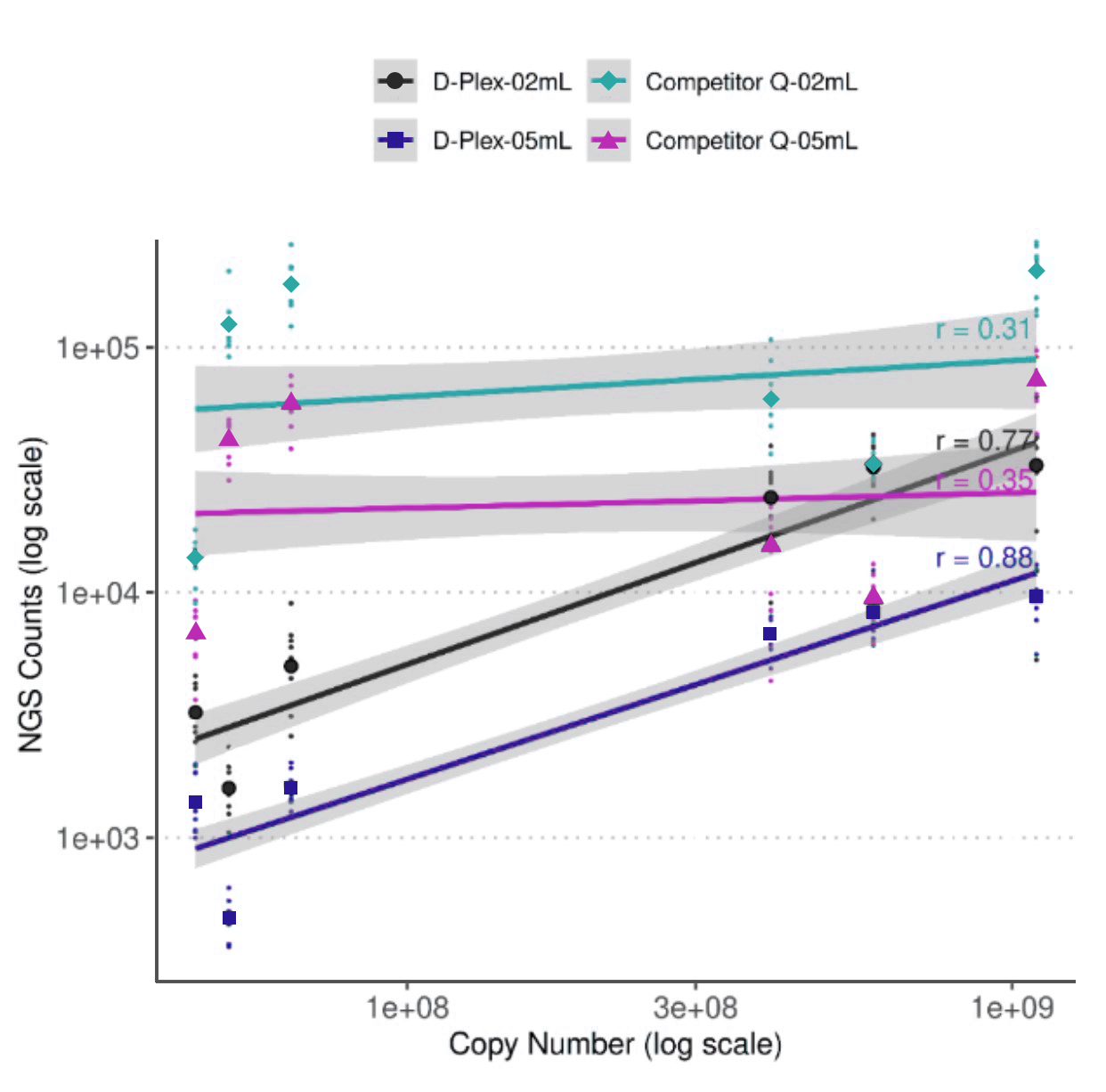
    Figure 7. Six exogenous miRNA sequences were spiked into plasma in known quantities to measure the library quantification accuracy. The D-Plex cfRNA-seq maintains a linear relationship between NGS counts and spiked miRNA copy numbers, unlike competitor Q, which fails to show a proportional response. A high Pearson correlation value for D-Plex confirms its superior quantification accuracy.


  • Data analysis

    A specific bioinformatics pipeline has been developed to process the special sequences present in the D-Plex construct, namely the UMI, the A-tail, and the template switch motif. All guidelines and free software are shared in the user manual. Subject to the compatibility of D-Plex constructs, other specific pipelines can be used.

    Figure 1. Overview of the bioinformatics pipeline for D-Plex cfRNA-seq data analysis.

    The final step of the workflow is the quantification of transcript abundance to generate an expression matrix. For cfRNA-seq data, we recommend using Mgcount*, a counting tool developed at Hologic Diagenode, together with an annotation file that includes the broad range of RNA biotypes typically present in cell-free RNA.

    *Hita, A., Brocart, G., Fernandez, A. et al. MGcount: a total RNA-seq quantification tool to address multi-mapping and multi-overlapping alignments ambiguity in non-coding transcripts. BMC Bioinformatics 23, 39 (2022). https://doi.org/10.1186/s12859-021-04544-3

  •  文档
  •  出版物

    How to properly cite our product/service in your work

    We strongly recommend using this: D-Plex cell-free RNA-seq Kit (Hologic Diagenode Cat# C05030040). Click here to copy to clipboard.

    Using our products or services in your publication? Let us know!

  •  相关产品


       Site map   |   Contact us   |   Conditions of sales   |   Conditions of purchase   |   Privacy policy